Constitution Discoveries History, cases, and debates—decoded.

Constitution Discoveries

History, cases, and debates—decoded.

Latest Articles

The Consent Gap: Treaty Power, Executive Agreements, and the 2026 Test
Constitutional Interpretation

The Consent Gap: Treaty Power, Executive Agreements, and the 2026 Test

As Washington relies more heavily on executive agreements, the Senate's two-thirds treaty role is being tested in practice rather than by amendment. The constitutional question is not whether such agreements exist, but where the line between commitment and consent should fall.
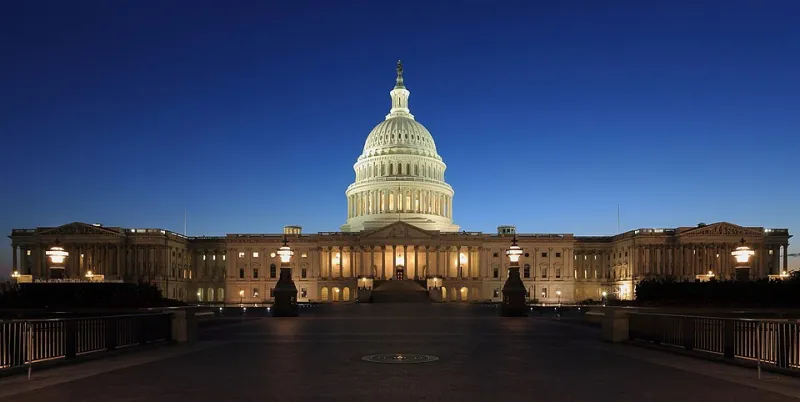
The Geography of Consent: How the Enclave Clause Still Draws the Boundaries of Federal Power
Constitutional Interpretation

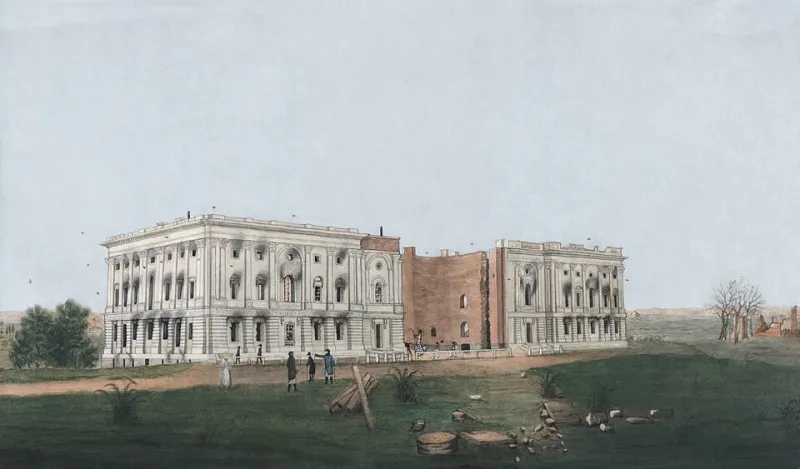
The Geography of Consent: How the Enclave Clause Still Draws the Boundaries of Federal Power

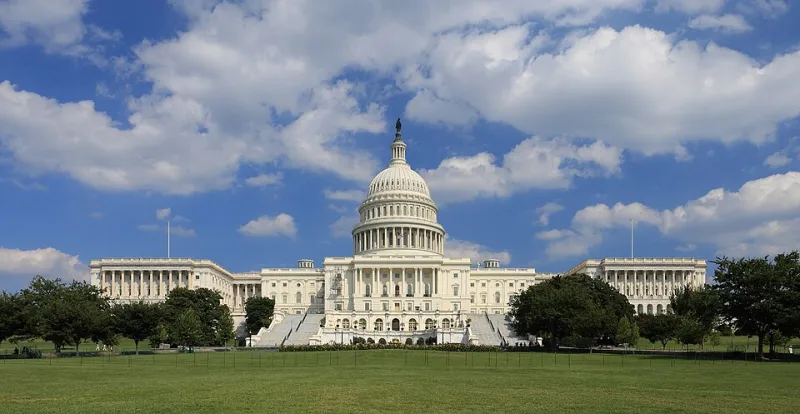
Article I, Section 8, Clause 17 is easy to overlook, but it explains why the District of Columbia is neither a state nor an ordinary city and why federal land disputes often turn on a single word: consent. In 2026, the Enclave Clause remains a quiet but decisive force in debates over representation and federal land management.

Tokens of Influence: The Emoluments Clauses and the Unsettled Question of Presidential Profit
Constitutional Interpretation

Tokens of Influence: The Emoluments Clauses and the Unsettled Question of Presidential Profit

As presidential finances grow more entangled with digital assets and sovereign wealth, the Foreign and Domestic Emoluments Clauses face a familiar problem: clear text, thin case law, and procedural barriers that keep courts from resolving the merits. This article traces the clauses’ purpose and asks what enforceable limits remain in 2026.

The Age Clause’s True Reach: The Twenty-Sixth Amendment and the Youth Vote After the 2026 Midterms
Constitutional Amendments

The Age Clause’s True Reach: The Twenty-Sixth Amendment and the Youth Vote After the 2026 Midterms

The Twenty-Sixth Amendment is often reduced to a single number, but its text does more than set a national voting age. In the aftermath of the 2026 midterms, its real work is to bar age-based exclusion above eighteen while leaving states room to experiment below that line.

When the Checkbook Meets the Charter: Section 4 and the 2026 Debt-Limit Standoff
Constitutional Interpretation

When the Checkbook Meets the Charter: Section 4 and the 2026 Debt-Limit Standoff

The Fourteenth Amendment's Public Debt Clause is often described as a constitutional escape hatch, but its text, history, and enforcement mechanism are far less settled than the slogan suggests. As the 2026 debt-limit debate unfolds, this guide explains what Section 4 says, what it might forbid, and why courts have never had the final word.

A Speed Bump, Not a Cap: The Twenty-Seventh Amendment in 2026
Constitutional Amendments

A Speed Bump, Not a Cap: The Twenty-Seventh Amendment in 2026

The Twenty-Seventh Amendment took 203 years to ratify and does less than its headline suggests: it delays congressional pay changes until after a House election. In 2026, that procedural rule still shapes how pay and ethics debates unfold—even if it cannot settle them.

Two Oaths, One Person: The Incompatibility Clause and the Limits of Cross-Branch Service
Constitutional Interpretation

Two Oaths, One Person: The Incompatibility Clause and the Limits of Cross-Branch Service

Article I, Section 6, Clause 2 is easy to overlook until a lawmaker is floated for a Cabinet post or an acting official is asked to do double duty. Its two limbs guard against self-dealing and divided loyalty—questions that are newly urgent in 2026.

No Prize to Condemn: Why the Marque and Reprisal Clause Cannot Be Retooled for Cyberspace
Constitutional Interpretation

No Prize to Condemn: Why the Marque and Reprisal Clause Cannot Be Retooled for Cyberspace

Article I's letters of marque clause has been dormant since the War of 1812, but it keeps returning in proposals to license private hackers as cyber privateers. Read closely, the clause reveals why the analogy fails: the Framers authorized private force only inside a legal architecture of captures, prize courts, and accountable boundaries that has no digital counterpart.

The Executive Eraser: Does Article II Permit a President to Pardon Himself?
Constitutional Interpretation

The Executive Eraser: Does Article II Permit a President to Pardon Himself?

The pardon power is one of the few in Article II that reads almost like a blank check. Whether it bends far enough to cover the person who holds it has never been settled by a court—and the answer depends less on grammar than on a question of constitutional design: who checks whom, and what remains when the check is removed.

The Verdict Congress Cannot Pronounce: Reading the Attainder Clause in the Age of Targeted Sanctions
Constitutional Interpretation

The Verdict Congress Cannot Pronounce: Reading the Attainder Clause in the Age of Targeted Sanctions

Article I forbids Congress from passing bills of attainder, yet modern lawmakers routinely name individuals, companies, and groups in statutes that freeze assets and restrict dealings. This article examines how courts distinguish unconstitutional legislative punishment from ordinary regulation—and why the clause still matters in 2026.

The Last Word Problem: Congress, the Exceptions Clause, and the 2026 Jurisdiction Debate
Constitutional Interpretation

The Last Word Problem: Congress, the Exceptions Clause, and the 2026 Jurisdiction Debate

Article III, Section 2 gives Congress power to make exceptions to the Supreme Court’s appellate jurisdiction—a technical clause with enormous consequences. As 2026 debates over courts, agency review, and congressional oversight intensify, the Exceptions Clause is moving from footnote to front page.

The Power of Not Showing Up: Article I, Section 5 and the 2026 Quorum Math
Constitutional Interpretation

The Power of Not Showing Up: Article I, Section 5 and the 2026 Quorum Math

Article I, Section 5 makes a majority a quorum but leaves each chamber to compel attendance and punish absence. With 2026's narrow margins making every seat decisive, the clause is less a technical rule than a lever—and a test of whether Congress can still police itself.

Who Gets Counted? The Constitutional Stakes of the 2030 Census
Constitutional Interpretation

Who Gets Counted? The Constitutional Stakes of the 2030 Census

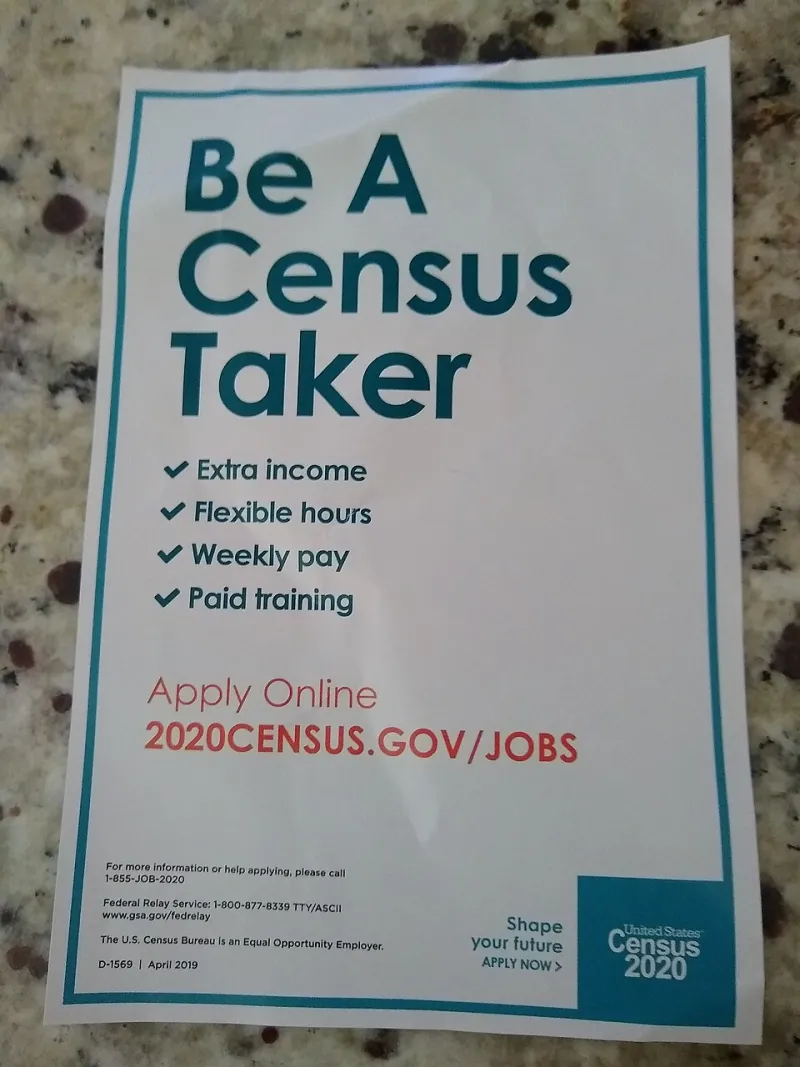
The Constitution mentions enumeration only briefly, but that brevity has not kept the census out of court. As the 2030 count approaches, old fights over citizenship questions, statistical methods, and privacy are returning—and each one is a debate about Article I.

The Text of the Promise: Article VI, the Oath Requirement, and the Boundaries of Official Loyalty
Constitutional Interpretation

The Text of the Promise: Article VI, the Oath Requirement, and the Boundaries of Official Loyalty

Article VI requires officials to swear support for the Constitution, yet it says almost nothing about what that support entails. As 2026's disputes over official loyalty intensify, the clause's sparse text rewards a closer reading—one that separates a promise from a penalty and constitutional duty from political disagreement.

Ten Days and an Empty Chamber: The Constitutional Loophole That Lets Bills Vanish
Constitutional Interpretation

Ten Days and an Empty Chamber: The Constitutional Loophole That Lets Bills Vanish

Article I, Section 7 gives the President ten days to sign or return a bill—unless Congress adjourns first. That quiet exception, upheld in 1929 and narrowed in later cases, could face a fresh test as the 119th Congress weighs its lame-duck calendar after the 2026 midterms.

The Consent Question: Interstate Compacts and the Boundaries of Article I, Section 10
Constitutional Interpretation

The Consent Question: Interstate Compacts and the Boundaries of Article I, Section 10

Interstate compacts are multiplying in 2026 as states coordinate on abortion, climate, firearms, and elections. The Constitution's Compact Clause is brief, but its consent requirement remains one of the most unsettled rules in the federal structure.

The Rulebook Clause: Article I, Section 4 After the 2026 Midterms
Constitutional Interpretation

The Rulebook Clause: Article I, Section 4 After the 2026 Midterms

Article I, Section 4 rarely dominates civics class, but its Elections Clause frames the redistricting and election-rule fights that shaped the 2026 midterms. This guide traces the clause from its founding text through Moore v. Harper and explains what state legislatures, Congress, and courts may still do.

The Gavel Is the Trigger: Recess Appointments and the Senate Calendar in 2026
Constitutional Interpretation

The Gavel Is the Trigger: Recess Appointments and the Senate Calendar in 2026

The Recess Appointments Clause sounds like a relic until a Senate calendar jam turns a routine vacancy into a constitutional fight. This guide explains what NLRB v. Noel Canning actually requires, how pro forma sessions work, and why a single gavel can decide whether a president may act alone.

A Republic, If Courts Will Say It: The Guarantee Clause's Unfinished Revival
Constitutional Interpretation

A Republic, If Courts Will Say It: The Guarantee Clause's Unfinished Revival

Article IV promises every state a republican form of government, but the Supreme Court has long treated enforcement as a political question. As 2026 disputes over ballot measures, redistricting, and election administration intensify, litigants are testing whether the clause can be more than a constitutional echo.

The People's Purse Strings: How the Origination Clause Shapes the 2026 Tax Debate
Constitutional History

The People's Purse Strings: How the Origination Clause Shapes the 2026 Tax Debate

The Constitution requires bills for raising revenue to begin in the House, but the Senate has long found ways to reshape tax law. The clause's narrow judicial interpretation explains why an old procedural rule still matters in 2026.