The People's Purse Strings: How the Origination Clause Shapes the 2026 Tax Debate
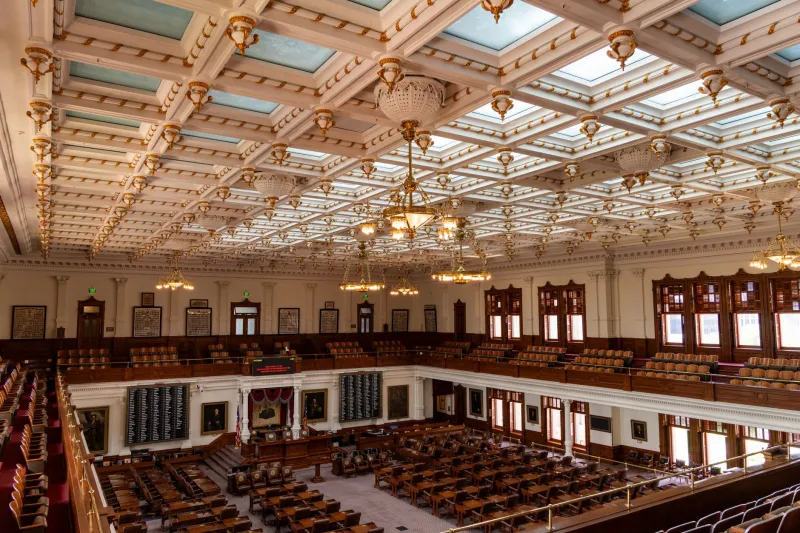
Article I, Section 7, Clause 1, contains a rule that sounds simple: 'All Bills for raising Revenue shall originate in the House of Representatives; but the Senate may propose or concur with Amendments as on other Bills.' The House is the people's chamber, closest to the voters and historically most sensitive to taxation. The Origination Clause reflects that connection.
But the clause has never meant that the Senate is a bystander on tax policy. The Senate may amend revenue bills, and it has used that power expansively. In 2026, as Congress confronts another round of budget deadlines and tax negotiations, the clause is a reminder that procedural rules can carry constitutional weight.
The Text and Its Roots
The clause emerged from English constitutional history and colonial experience. The House of Commons claimed the exclusive right to originate money bills, and American colonists objected when taxes were imposed without their consent. The Framers wanted the House, directly elected by the people, to take the first step on taxation. The Senate, with its longer terms and state-based representation, could revise but not originate.
James Madison and others expected the House to guard the purse. The clause was not designed to make tax policy easy; it was designed to make it accountable.
How the Senate Gets Around It
The Senate's amendment power is broad. In practice, the Senate can strip a House revenue bill and replace its text with a different tax plan. Courts have generally treated such amendments as within the Senate's constitutional authority, so long as the bill that ultimately passes originated in the House.
Modern budget procedures add another layer. Reconciliation, created by the Congressional Budget Act of 1974, allows Congress to expedite certain budget and tax measures. The process begins with a budget resolution, and reconciliation instructions can direct committees to produce legislation. The Senate can then consider the resulting bill under expedited procedures, avoiding a filibuster. The Byrd rule limits what can be included, but it does not erase the Senate's ability to shape tax provisions.
The result is a familiar pattern: the House passes a revenue bill, the Senate amends it heavily, and the final product reflects both chambers. The Origination Clause is satisfied formally, even when the Senate's fingerprint is unmistakable.
What Courts Have Said
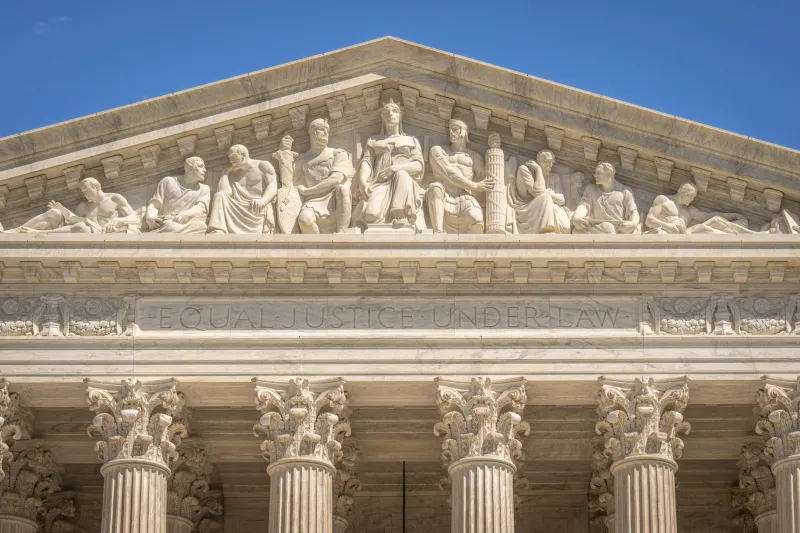
The Supreme Court has addressed the clause only occasionally. In United States v. Munoz-Flores (1990), the Court held that Origination Clause challenges are justiciable, rejecting the argument that the clause presents a political question. But the Court also read the clause narrowly. A bill that imposes a special assessment on persons convicted of federal crimes was not a bill for raising revenue, the Court said, because its purpose was regulatory and punitive, not to raise general revenue.
That decision left the clause with a narrow reach. Courts generally ask whether a bill's primary purpose is to raise revenue for the support of government. If it is, the bill must originate in the House. If it is mainly regulatory, the clause may not apply. Courts are also reluctant to invalidate statutes on procedural grounds, especially when the legislative record is complex.
Why 2026 Makes It Relevant
The current budget cycle has renewed attention to the clause. Tax negotiations often involve reconciliation, and the Senate's ability to amend House bills is central to those talks. When a tax provision is added in the Senate, critics sometimes argue that the Origination Clause has been circumvented. Defenders respond that the Constitution expressly permits Senate amendments.
The debate is not merely academic. It affects how tax policy is made, who can block it, and how accountable lawmakers are to voters. The House's origination power gives the chamber a procedural leverage point. The Senate's amendment power gives it a practical veto and a creative pen.
Procedure as Constitutional Substance
The Origination Clause is a reminder that the Constitution does not always settle policy directly. Sometimes it sets the rules of the game. Those rules can determine whether a tax bill moves quickly, whether a minority can block it, and whether the House or Senate controls the agenda.
In 2026, as Congress debates taxes and spending, the clause is worth understanding not because it is likely to generate a landmark Supreme Court decision, but because it explains why the House and Senate bargain the way they do. The people's purse strings are still tied, however loosely, to the people's chamber.