Two Oaths, One Person: The Incompatibility Clause and the Limits of Cross-Branch Service
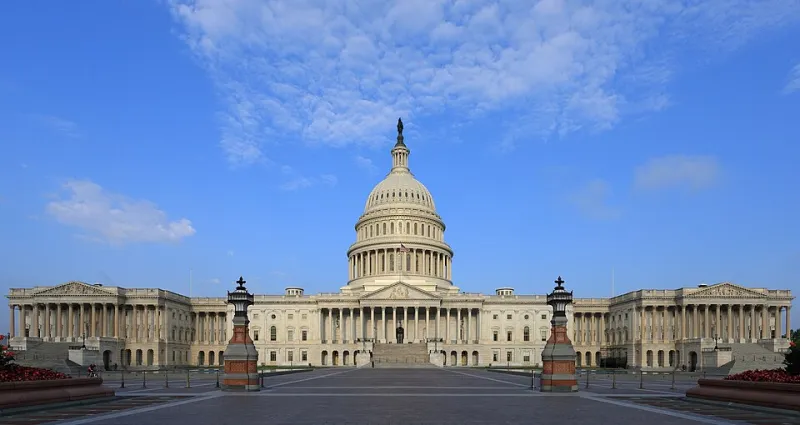
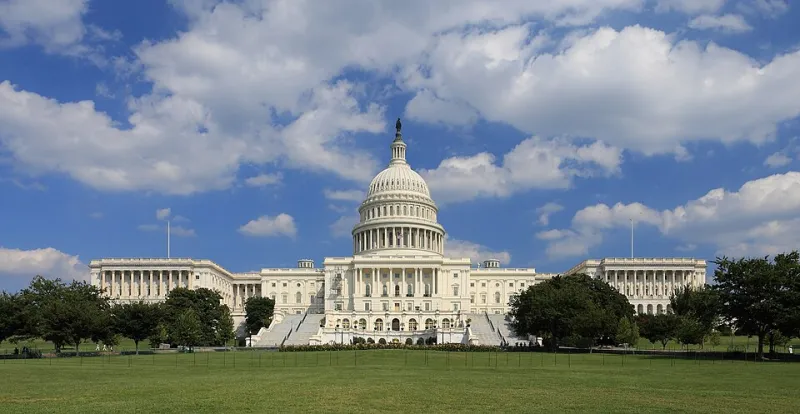
Photo: Martin Falbisoner, CC BY-SA 3.0, via Wikimedia Commons
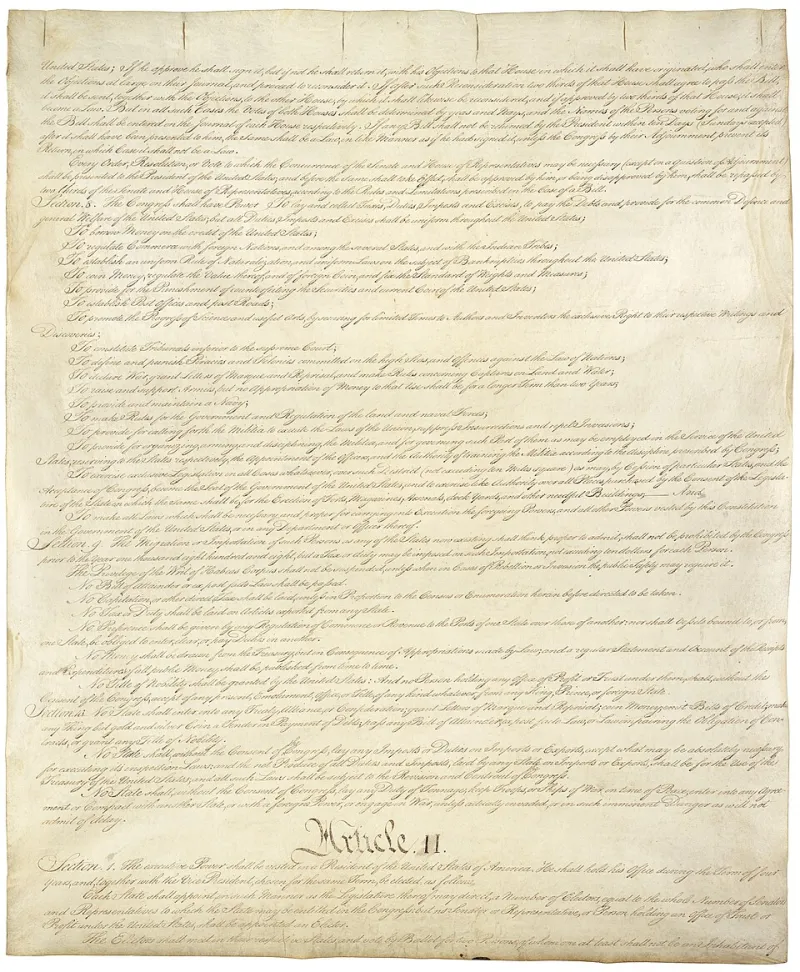
The Constitution separates the branches, but it does not separate the people who serve in them quite as neatly as a diagram suggests. Article I, Section 6, Clause 2—often called the Incompatibility Clause—is the provision that polices the boundary. It is short, old, and frequently forgotten until a personnel controversy forces it back into view. In 2026, as Congress and the executive branch debate ways to draw on a shared talent pool, the clause remains a quiet but firm reminder that dual officeholding is not a matter of convenience.
The Text Beneath the Headline
The clause has two distinct parts. The first bars a senator or representative, during the term for which he was elected, from being appointed to any civil office under the United States that was created, or whose emoluments were increased, during that same term. The second provides that no person holding any office under the United States may be a member of either House during his continuance in office. The first limb targets self-dealing: legislators should not create a post, raise its salary, and then slide into it. The second limb targets divided loyalty: a sitting member of Congress should not simultaneously be an officer of the executive or judicial branch.
That second limb is the one most familiar to modern observers. When a member of Congress is nominated for a Cabinet position, the expected move is resignation from the seat. The same logic applies to federal judgeships and other civil offices under the United States. The clause does not require a statute to enforce it; it is a constitutional qualification on service. Congress cannot cure the problem by passing a law waiving the requirement, because the requirement is not Congress’s to waive.
Why the Framers Cared
The clause grew out of a familiar Revolutionary-era worry: placemen. The fear was that a legislature stocked with officials dependent on the executive would cease to be an independent legislature. The Constitution’s answer was structural. By keeping federal offices out of the hands of sitting members, the clause sought to prevent the executive from building a bloc inside Congress through patronage. By preventing members from creating and then taking new offices, it sought to prevent legislators from treating public authority as a career ladder.
The clause was not a ban on public service. Members of Congress were expected to have lives outside Washington, and the Constitution does not prohibit all outside employment. It speaks to offices under the United States, not to every private pursuit or state role. That distinction matters. The clause is a boundary marker, not a general ethics code.
The Modern Personnel Problem
Modern government has made the boundary more complicated without erasing it. The rise of acting officials, detailed employees, and cross-agency task forces has created arrangements that can look like dual service even when they are not. A member of Congress who advises an agency informally is not thereby holding an office under the United States. A staff member on detail is not a member of Congress. But the closer an arrangement comes to vesting a sitting lawmaker with federal executive authority, the more directly the Incompatibility Clause speaks.
The cleanest path remains resignation. When a senator or representative is chosen for a cabinet post, the seat is surrendered before the new office is assumed. That practice reflects both the clause’s text and its purpose. It also avoids the awkward question of which branch a person is serving at any given moment.
The 2026 Debate Over a Shared Talent Pool
In 2026, proposals for a more integrated executive-legislative talent pool have revived the old question in new form. Some argue that Congress and the executive branch should share expertise more freely, especially on technical subjects such as artificial intelligence, fiscal administration, and national security. Others worry that blurring the line encourages a kind of service that the Constitution deliberately separated. The debate is not merely about efficiency. It is about whether the branches can borrow one another’s people without borrowing one another’s authority.
The clause does not forbid collaboration. It forbids a particular status: holding a federal office while sitting in Congress, or taking a newly created or newly enriched office during the term for which one was elected. Proposals that respect those limits—through resignation, recusal, or a clear end to legislative service—fit within the constitutional structure. Proposals that treat the clause as a formality do not.
A Line Worth Keeping
The Incompatibility Clause is easy to dismiss as a relic of an age before modern administration. That would be a mistake. Its concerns are enduring: self-dealing, patronage, and the confusion that arises when one person answers to two constitutional masters. The clause does not demand that legislators never serve the nation in other capacities. It demands that they not do so in the same breath.
As 2026’s personnel debates continue, the better question is not whether the clause can be worked around, but whether the workaround preserves the separation it was written to protect. The answer will usually be found in the text itself: one person may hold one office at a time, and the Constitution expects the transition to be real.